For over 90 years, Social Security has been the defining program of American social insurance. Known best as a quintessential piece of retirement planning for almost all Americans, the program’s reach extends far beyond retirement, providing key support for survivors of the deceased and people with disabilities. The people are what make this program possible, funding it through contributions from payroll taxes. Social Security is a program that has created economic security that has transcended political, geographic, and demographic divides for decades.
For millions of older adults, people with disabilities, and children, social security benefits mean putting food on the table, keeping the lights on, and receiving the necessary healthcare they need.
In Their Own Words
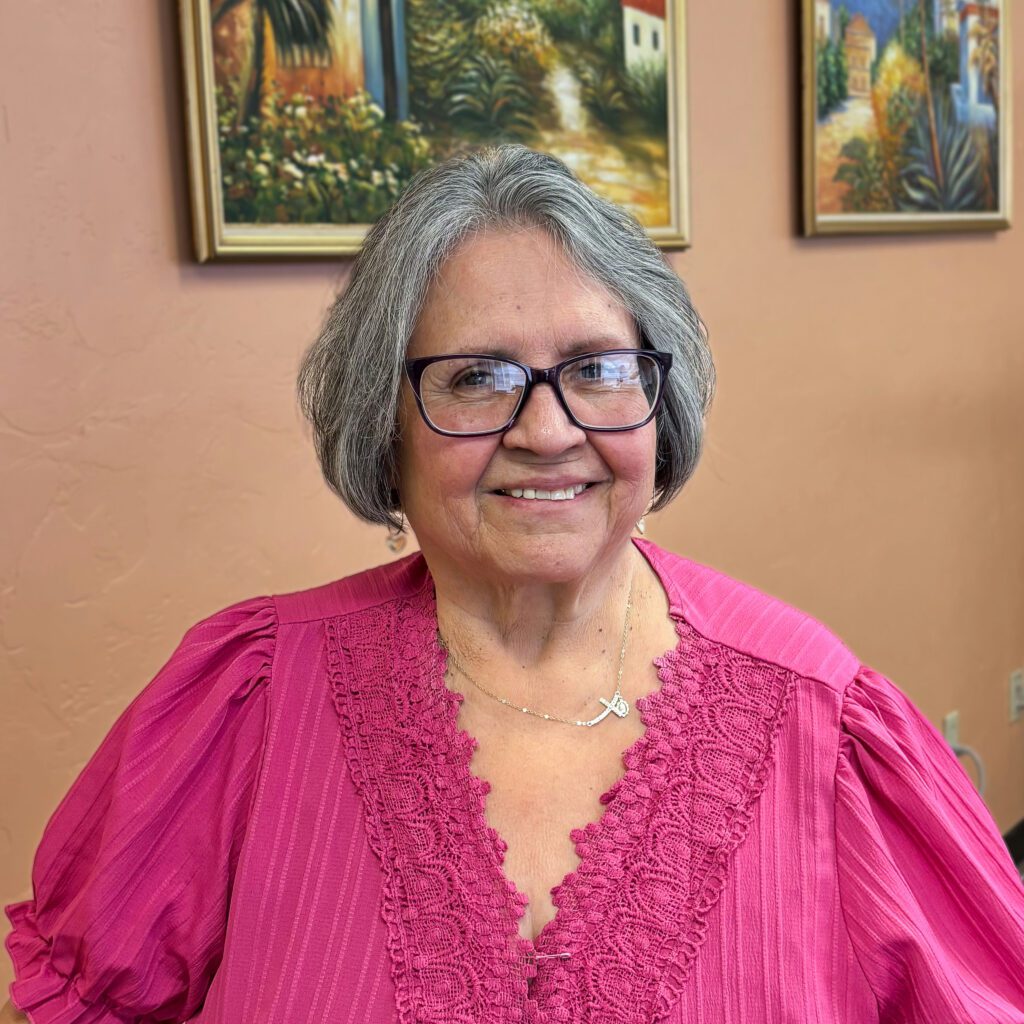
“I think I always worry about money, maybe more than I need to…I’m probably always going to worry about it. And especially now, I really depend on my Social Security. I don’t want it to go away.” – “Cecilia”
“I just need for my Social Security to keep coming in, and I will manage. Doctors and transportation have gotten a little better. That’ll be taken away without Social Security… There’s no other income.” – “Jackie”
On average, retired workers receive about $2000/month, disabled workers receive about $1580/month, and SSI recipients receive about $700/month in Social Security benefits.
“We cannot be satisfied merely with makeshift arrangements which will tide us over the present emergencies. We must devise plans that will not merely alleviate the ills of today, but will prevent, as far as it is humanly possible to do so, their recurrence in the future.” – Frances Perkins, Former US Secretary of Labor
On June 26, the Academy hosted SSA Chief Actuary Karen Glenn and an expert panel to discuss Social Security’s financial outlook, options to address the program’s long-term financing gap, and Americans’ views on the path forward.
On May 20, the Academy brought together the report’s Co-Principal Investigators along with an expert panel to discuss the Task Force’s initial report on AI, emerging technology, and disability benefits at the SSA.
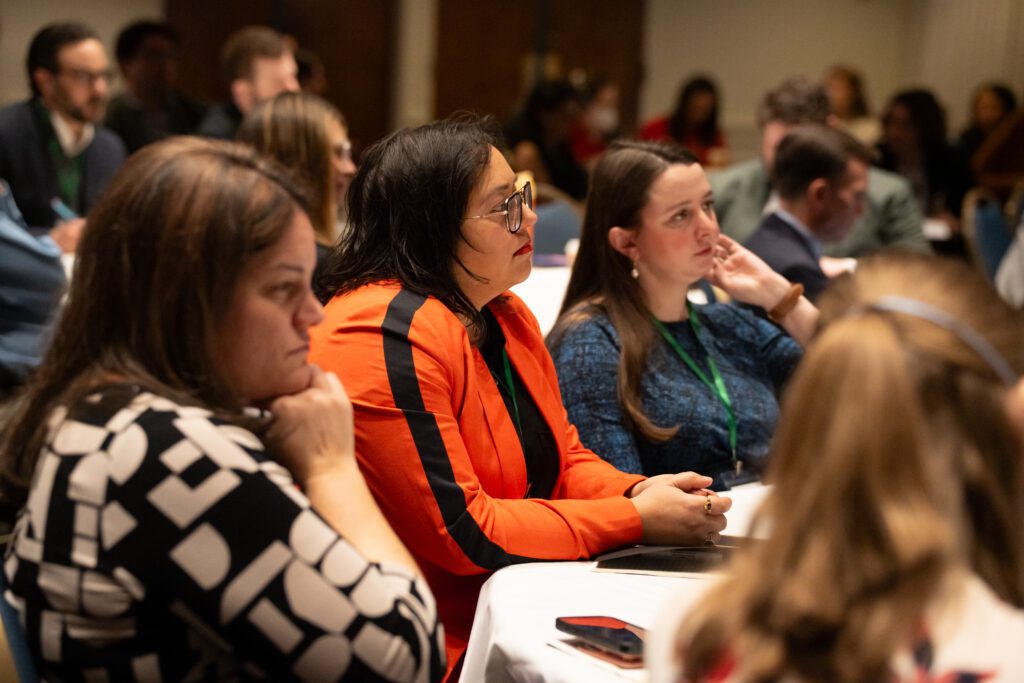
As the Academy marks 40 years during a time of profound change and debate about the future of our social contract, we convened our annual Policy Summit in Washington, D.C.
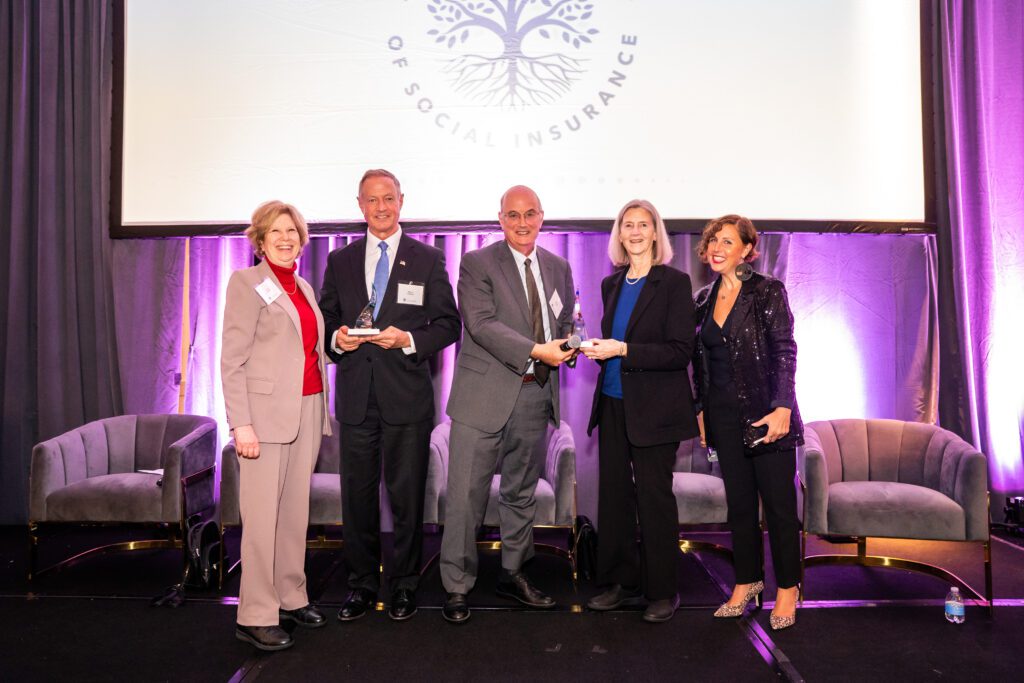
On Wednesday, October 22, 2025, the National Academy of Social Insurance hosted its annual Robert M. Ball Award gala at the Mayflower Hotel in Washington, D.C.
Elisa Walker, a Senior Fellow with the Academy, has prepared an Issue Brief on Social Security policy options for strengthening the program’s finances and avoiding automatic benefit cuts.